
What is a Haemogram?
A haemogram, also called a complete blood count test, checks your blood’s main parts. This test measures red blood cells, white blood cells, and platelets. Doctors use a haemogram to look for signs of illness or infection. Often, this test is part of a routine health check. Because it gives a broad view of your health, a haemogram is very useful.
Why is a Haemogram Done?
Doctors order a haemogram for many reasons. Sometimes, you may feel tired or weak. Other times, you might have a fever or signs of infection. In these cases, a haemogram can help find the cause. Additionally, this test can help monitor ongoing health problems. For example, it is used to check people with anemia or infections. In short, a haemogram helps doctors spot health issues early.
Components of a Haemogram
A haemogram report includes several key parts. Each part gives important information about your blood. Here are the main components:
How is the Test Performed?
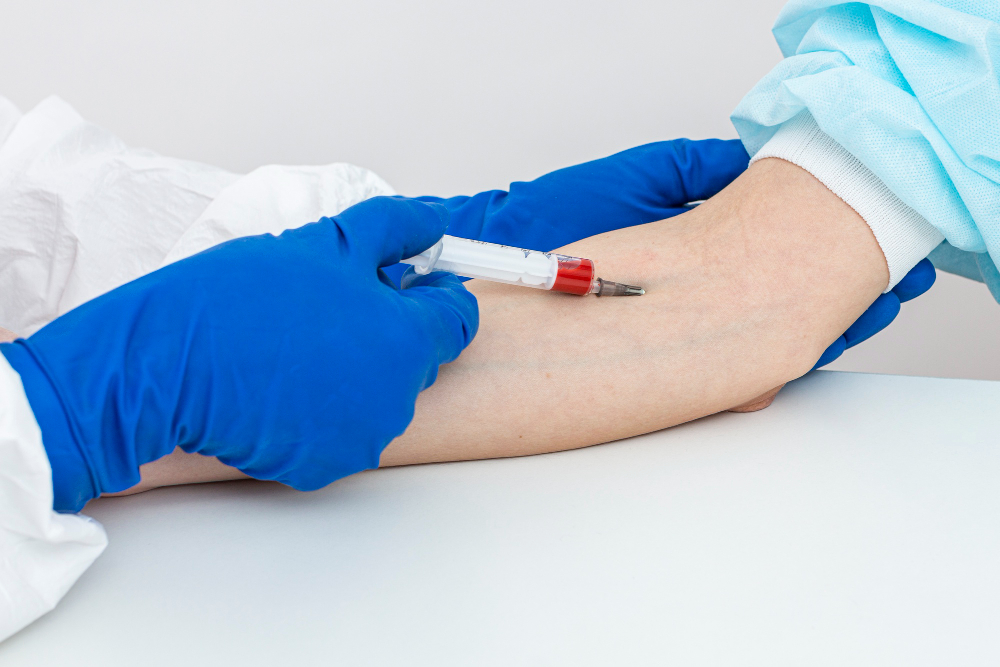
Getting a haemogram is simple and quick. First, a nurse or technician cleans your skin. Next, they use a small needle to draw blood from your arm. Usually, this takes only a few minutes. After the blood is collected, it goes to a lab for testing. Most people feel only a small pinch. Because the test is safe, it is done often.
Understanding Your Haemogram Report
When you get your haemogram report, you will see numbers for each blood part. Each number shows how much of that part is in your blood. If a number is too high or too low, it may mean something is wrong. For example, low red blood cells can mean anemia. High white blood cells may point to an infection. However, only a doctor can explain what your results mean for you. So, always talk to your doctor about your report.
Normal and Abnormal Haemogram Values
Normal haemogram values can vary by age and gender. Still, there are common ranges for adults:
If your values are outside these ranges, it does not always mean you are sick. Sometimes, small changes are normal. But, large changes may need more tests. Therefore, always check with your doctor if you have questions.
When to Consult a Doctor
It is important to talk to a doctor if your haemogram report shows abnormal values. Also, if you feel tired, weak, or have unexplained bruising, see a doctor. Sometimes, symptoms like fever or frequent infections mean you need more tests. Because only a doctor can give the right advice, do not try to read your report alone.
FAQs about Haemogram
Consult a healthcare professional for personalized advice regarding your haemogram results at KRISHNA DIAGNOSTICS.