
Introduction
Heart health is important for everyone. Cardiac profile testing helps check your heart’s condition. This test looks at your blood to find signs of heart disease. Early testing can help prevent serious problems. Many people ask, “What is cardiac profile testing, and why does it matter?” In this blog, you will learn what to expect and how it can help you stay healthy.
What is Cardiac Profile Testing?
Cardiac profile testing is a group of blood tests. These tests measure substances linked to heart health. For example, they check cholesterol, triglycerides, and blood sugar. Some tests also look at proteins that show heart damage. The main goal is to find your risk for heart disease early. Because of this, doctors can suggest steps to lower your risk.
These results help your doctor understand your heart health better.
Who Should Consider Cardiac Profile Testing?
Not everyone needs this test right away. However, some people have a higher risk. You should consider cardiac profile testing if you have:
Even if you feel healthy, these risk factors mean you should talk to your doctor about a heart health check.
How is Cardiac Profile Testing Performed?
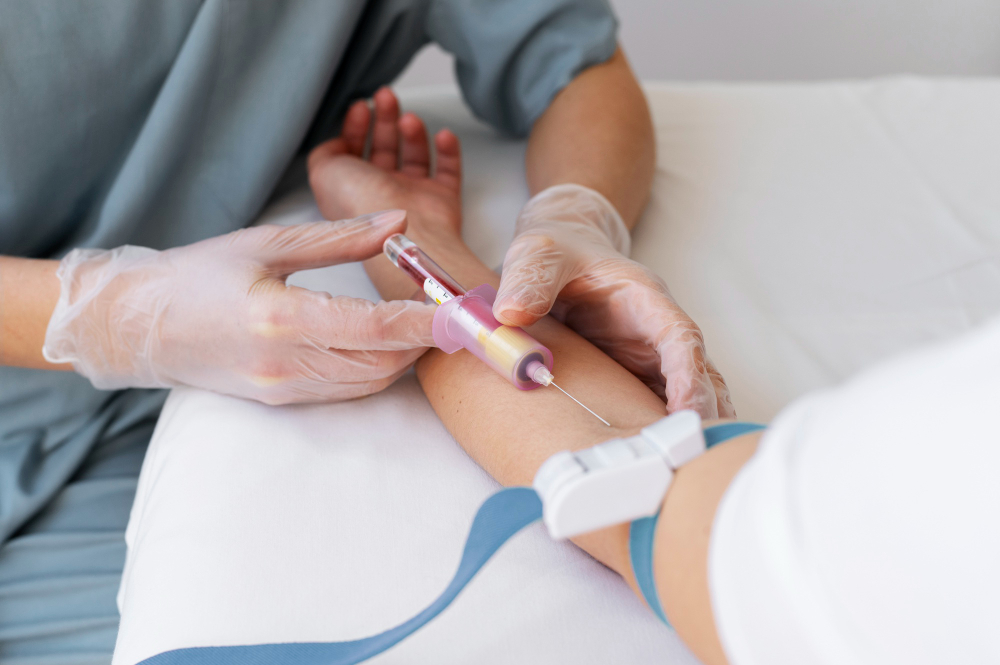
Cardiac profile testing is simple and safe. First, a healthcare worker will take a small blood sample from your arm. Usually, you need to fast for 8 to 12 hours before the test. This means you should not eat or drink anything except water. Fasting helps get accurate results. The blood sample goes to a lab for testing. You can return to normal activities right after the test.
Understanding the Results
When your results are ready, your doctor will explain them. Each part of the test tells something about your heart. For example, high LDL cholesterol means a higher risk for heart disease. Low HDL cholesterol is also a concern. High blood sugar can mean diabetes risk. If markers like CRP or troponin are high, it may show heart stress or damage. Your doctor will help you understand what your numbers mean for your health.
Benefits and Limitations
Cardiac profile testing has many benefits. For instance, it can:
However, there are some limits. The test cannot find all heart problems. Sometimes, results may be affected by other health issues. Because of this, your doctor may order more tests if needed.
Preparation and Aftercare
Before the test, follow these tips:
After the test, you can eat and drink as usual. If you feel dizzy, rest for a few minutes. Keep the bandage on your arm for a short time to prevent bleeding.
Prevention and Lifestyle Guidance
Even if your test results are normal, you can take steps to keep your heart healthy. For example:
These habits can lower your risk for heart disease.
When to Consult a Doctor
If you have risk factors or symptoms like chest pain, shortness of breath, or tiredness, see a doctor soon. Even without symptoms, regular check-ups are important. Your doctor can guide you on when to get cardiac profile testing or other heart health checks.
Conclusion
Cardiac profile testing is a simple way to check your heart health. Early testing can help prevent serious problems. Because everyone’s heart health risk is different, it’s best to seek expert guidance. Consult KRISHNA DIAGNOSTICS for personalised advice and accurate cardiac profile testing based on your needs.