
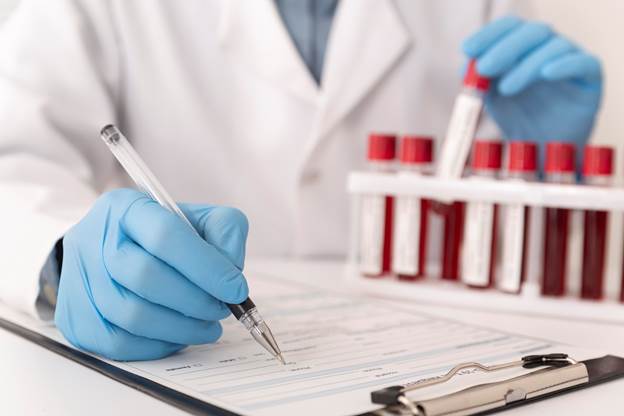
Introduction to the Electrolyte Panel Test
An electrolyte panel test is a simple blood test. It checks the levels of key minerals in your blood. These minerals, called electrolytes, help your body work well. For example, they control your heart, muscles, and nerves. Many doctors order this test to check your health. If you search for an “electrolyte panel test near me,” you will find many clinics that offer it. This test is important for many reasons, which we will explain below.
What Is an Electrolyte Panel Test?
Simply put, an electrolyte panel test measures the amount of certain minerals in your blood. These minerals include:
Sodium
Potassium
Chloride
Bicarbonate (sometimes called CO2)
Each of these has a special job in your body. For instance, sodium helps control water balance. Potassium keeps your heart beating steadily. Chloride and bicarbonate help keep your blood’s acid-base balance right. Because these minerals are so important, doctors often check them when you feel unwell.
Why Is the Electrolyte Panel Test Ordered?
Doctors order this blood test for electrolytes for many reasons. Sometimes, you may have symptoms that suggest an imbalance. Other times, your doctor may want to monitor a health condition. Common reasons include:
Feeling weak or tired
Muscle cramps or twitching
Irregular heartbeat
Confusion or trouble thinking
Vomiting or diarrhea
Kidney or heart problems
Taking certain medicines, like diuretics
In addition, the test can help check if treatments are working. For example, if you are on medicine that affects your kidneys, your doctor may check your electrolyte levels often.
How Is the Electrolyte Panel Test Performed?
The test is quick and simple. First, a nurse or technician will clean your arm. Next, they will use a small needle to take a blood sample. Usually, this takes only a few minutes. Afterward, you can go back to your normal activities. The blood sample goes to a lab for testing. Results are often ready within a day or two.
What Do Electrolyte Panel Test Results Mean?
When you get your electrolyte panel test results, you will see numbers for each mineral. Normal electrolyte levels may look like this:
Sodium: 135–145 mEq/L
Potassium: 3.5–5.0 mEq/L
Chloride: 98–106 mEq/L
Bicarbonate: 22–29 mEq/L
If your levels are too high or too low, it may mean you have an electrolyte imbalance. For example, low sodium can cause confusion or seizures. High potassium can affect your heart. However, many things can change your results. Sometimes, even dehydration or certain foods can affect them. Therefore, your doctor will explain what your results mean for you.
Common Symptoms and Conditions Linked to Electrolyte Imbalance
Electrolyte imbalance symptoms can be mild or severe. Some common signs include:
Muscle weakness or spasms
Fatigue
Headaches
Nausea or vomiting
Fast or irregular heartbeat
Confusion or mood changes
Many health conditions can cause these problems. For instance, kidney disease, heart failure, or severe vomiting can upset your electrolyte balance. If you notice these symptoms, it is wise to talk to your doctor.
How to Prepare and What to Expect
Usually, you do not need to do much to prepare for a blood test for electrolytes. However, your doctor may ask you to avoid eating or drinking for a few hours. Some medicines can affect your results. So, always tell your doctor about any drugs or supplements you take. During the test, you may feel a small pinch. Afterward, you might have a tiny bruise, but this goes away quickly.
Lifestyle Tips to Prevent Electrolyte Imbalance
While some causes of imbalance cannot be avoided, you can take steps to stay healthy. Here are some tips:
Drink enough water, especially in hot weather
Eat a balanced diet with fruits and vegetables
Avoid too much salt or processed foods
Be careful with over-the-counter medicines
Follow your doctor’s advice if you have kidney or heart problems
For athletes or people who sweat a lot, sports drinks may help replace lost electrolytes. However, always check with your doctor before making changes to your diet or routine.
When to Consult a Doctor
If you have symptoms like weakness, confusion, or a fast heartbeat, seek medical help. Also, if your doctor suggests an electrolyte panel test, do not delay. Early testing can help find problems before they get worse. Remember, only a healthcare provider can explain your results and guide your care.
Summary
In summary, an electrolyte panel test is a simple way to check your body’s balance of key minerals. It helps doctors find and treat many health problems. If you have symptoms or risk factors, talk to your doctor. They can help you understand your results and keep you healthy.
Get your electrolyte panel test done today at Krishna Diagnostics — Accurate results, trusted care!